The healthcare industry is evolving at an unprecedented pace, driven by scientific discoveries, technological innovation, and changing patient expectations. Among the many sectors experiencing transformation, pharmacies have emerged as essential healthcare providers that extend far beyond dispensing prescription medications. Modern pharmacies now offer preventive health services, digital consultations, personalized medication management, health screenings, and educational support, making them an increasingly important part of everyday healthcare systems.
As populations continue to grow and healthcare needs become more complex, pharmacies are adapting to provide faster, more accessible, and more personalized services. Advances in digital technology, artificial intelligence, automation, and pharmaceutical research are reshaping how medications are developed, distributed, and managed while improving patient outcomes and operational efficiency.
Traditionally, pharmacies were primarily responsible for preparing and dispensing medications prescribed by healthcare professionals. Today, their role has expanded significantly. Pharmacists often provide guidance on medication safety, monitor potential drug interactions, recommend over-the-counter treatments, administer selected vaccinations in many healthcare systems, and educate patients about chronic disease management. This broader role strengthens collaboration between healthcare professionals while improving access to essential healthcare services.
One of the most important developments in recent years has been the rise of digital pharmacies and online pharmaceutical services. Patients can now order medications through secure digital platforms, receive electronic prescriptions, monitor refill schedules, and arrange home delivery services. These innovations improve convenience while supporting individuals with limited mobility, busy schedules, or those living in remote communities.
Electronic prescriptions have simplified communication between healthcare providers and pharmacies. Instead of relying on handwritten documents, physicians can securely transmit prescriptions directly to pharmacies through digital healthcare systems. Electronic prescribing reduces administrative errors, improves efficiency, and helps pharmacists verify medication information more quickly before dispensing prescriptions.
Artificial intelligence is becoming increasingly valuable throughout pharmaceutical operations. AI-powered systems help pharmacies manage inventory, forecast medication demand, identify prescription patterns, and improve supply chain efficiency. Intelligent software can also assist pharmacists by reviewing potential medication interactions, dosage recommendations, and patient-specific considerations that support informed clinical decision-making.
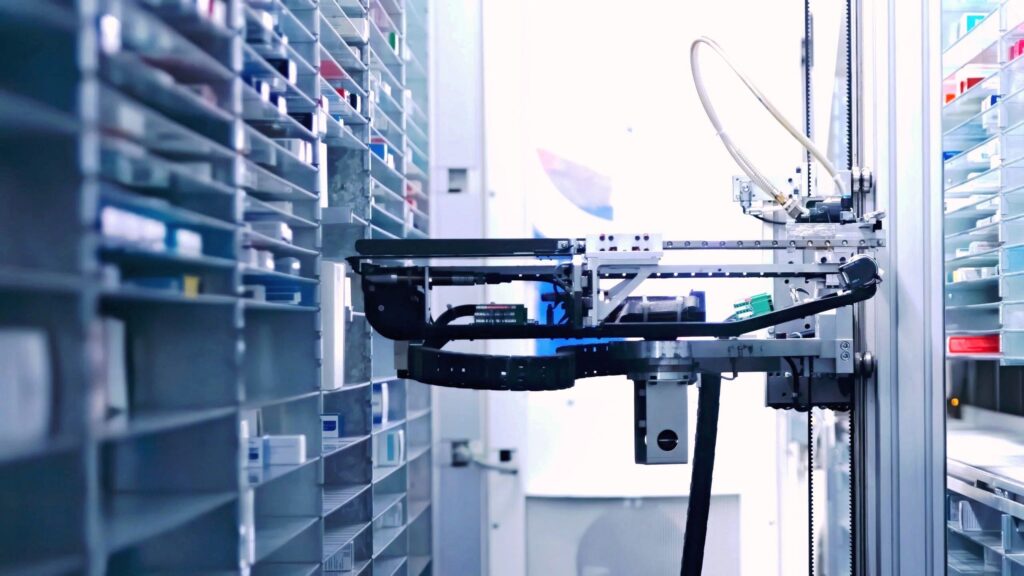
Automation has transformed many routine pharmacy operations. Robotic dispensing systems accurately prepare medications, organize prescriptions, and reduce repetitive manual tasks. These technologies improve efficiency while allowing pharmacists to dedicate more time to patient counseling, medication reviews, and clinical support rather than administrative activities.
Medication safety remains one of the highest priorities within pharmacy practice. Pharmacists carefully evaluate prescriptions to identify possible allergies, duplicate therapies, inappropriate dosages, or interactions with other medications. Their expertise provides an important safeguard that helps reduce medication-related complications and supports better treatment outcomes.
Personalized medicine represents one of the most promising developments in modern healthcare. Advances in genetics, biotechnology, and diagnostic testing allow healthcare providers to tailor treatments according to individual patient characteristics. Pharmacists increasingly contribute to personalized care by helping optimize medication therapies based on patient-specific needs, improving treatment effectiveness while minimizing unwanted side effects.
Pharmaceutical research continues advancing rapidly through scientific innovation. Researchers are developing new medications for infectious diseases, cancer, neurological disorders, cardiovascular conditions, autoimmune diseases, and many other health challenges. Improved understanding of molecular biology and genetics has accelerated the discovery of targeted therapies designed to improve treatment precision.
Biotechnology has become a major driver of pharmaceutical innovation. Biologic medicines, including monoclonal antibodies, therapeutic proteins, and advanced cellular therapies, have expanded treatment options for complex medical conditions that were once difficult to manage. Continued investment in biotechnology research is expected to produce additional breakthroughs in the years ahead.
Vaccination programs remain among the most effective public health initiatives worldwide. Pharmacies increasingly contribute by improving vaccine accessibility through convenient locations, extended operating hours, and trained healthcare professionals. Expanded pharmacy-based vaccination services help strengthen disease prevention efforts while reducing pressure on other healthcare facilities.
Chronic disease management has become another important responsibility for modern pharmacies. Patients living with conditions such as diabetes, hypertension, asthma, or cardiovascular disease often require ongoing medication monitoring, adherence support, and education. Pharmacists work alongside physicians and other healthcare professionals to help patients better understand treatment plans and maintain consistent medication use.
Medication adherence remains a significant challenge in healthcare. Some patients forget doses, discontinue treatment prematurely, or misunderstand prescription instructions. Pharmacies increasingly use digital reminders, mobile applications, automated refill notifications, and personalized counseling to encourage consistent medication use and improve long-term health outcomes.
Telepharmacy has expanded healthcare access through digital communication technologies. Patients can consult pharmacists remotely using secure video conferencing platforms or online messaging systems. Telepharmacy services are particularly valuable in rural communities where access to healthcare facilities may be limited. Remote consultations allow patients to receive professional medication guidance without traveling long distances.
Home delivery services have become increasingly popular as pharmacies improve convenience for patients. Secure medication delivery systems support individuals with mobility limitations, chronic illnesses, or demanding schedules while ensuring continued access to essential therapies. Digital tracking technologies provide transparency throughout the delivery process.
Healthcare data plays an increasingly important role in improving pharmaceutical services. Secure electronic health records allow authorized healthcare providers to access medication histories, allergy information, laboratory results, and treatment plans. Better information sharing supports coordinated patient care while reducing unnecessary duplication of therapies or diagnostic procedures.
Cybersecurity has become a critical priority as healthcare organizations continue expanding digital services. Pharmacies invest in advanced encryption technologies, secure authentication systems, employee training, and continuous monitoring to protect sensitive patient information. Maintaining privacy and data security remains essential for preserving patient trust and meeting regulatory requirements.
Supply chain management has received greater attention following disruptions experienced in recent years. Pharmaceutical manufacturers, distributors, and pharmacies increasingly invest in advanced forecasting systems, inventory management technologies, and diversified supply networks to improve resilience. Efficient supply chains help ensure that essential medications remain available when patients need them.
Cold chain logistics represent another important component of pharmaceutical distribution. Certain medications, including many vaccines and biologic therapies, require carefully controlled temperatures during transportation and storage. Modern monitoring technologies continuously track environmental conditions, helping maintain product quality throughout the supply chain.
Environmental sustainability is becoming an increasingly important focus within the pharmaceutical industry. Companies are investing in energy-efficient manufacturing, environmentally responsible packaging, waste reduction initiatives, and sustainable transportation solutions. Pharmacies also promote proper medication disposal programs that help reduce environmental contamination while improving public safety.
Community pharmacies often serve as easily accessible healthcare centers where patients seek advice for minor illnesses, preventive care, and general health information. Their accessibility helps reduce unnecessary visits to emergency departments while providing timely support for common healthcare concerns. This role strengthens the overall healthcare system by improving resource utilization.
Education remains a cornerstone of pharmacy practice. Pharmacists provide guidance on medication administration, storage requirements, possible side effects, healthy lifestyle habits, nutrition, smoking cessation, and disease prevention. Well-informed patients are generally better equipped to manage their health and make informed healthcare decisions.
The integration of wearable health technologies is creating new opportunities for pharmacy services. Smart devices capable of monitoring heart rate, blood pressure, glucose levels, sleep patterns, and physical activity generate valuable health information that may support more personalized medication management and preventive healthcare strategies.
Artificial intelligence is expected to play an even larger role in pharmaceutical research. Machine learning algorithms can analyze enormous volumes of scientific data to identify promising drug candidates, predict treatment responses, and accelerate clinical research. These technologies have the potential to reduce development timelines while supporting more efficient drug discovery.
Precision medicine continues advancing through collaboration among pharmaceutical companies, biotechnology firms, research institutions, and healthcare providers. Future treatments may become increasingly individualized, allowing therapies to target specific biological mechanisms associated with particular diseases or patient populations.
International collaboration remains essential for addressing global healthcare challenges. Pharmaceutical research frequently involves partnerships among scientists, universities, healthcare organizations, and regulatory agencies from multiple countries. Collaborative research accelerates scientific discovery while supporting the development of innovative treatments for patients worldwide.
Economic investment in pharmaceutical innovation contributes significantly to scientific progress and employment. Research laboratories, manufacturing facilities, biotechnology companies, digital health startups, and healthcare technology providers collectively support millions of highly skilled jobs while advancing medical knowledge and healthcare capabilities.
The future pharmacy will likely combine advanced technology with personalized patient care. Artificial intelligence, robotics, digital health platforms, predictive analytics, and precision medicine will continue improving efficiency, but the expertise and judgment of pharmacists will remain indispensable. Human interaction, professional guidance, and individualized care will continue forming the foundation of effective pharmaceutical services.
Healthcare systems around the world are evolving toward greater integration, accessibility, and patient-centered care. Pharmacies occupy a unique position within this transformation because they combine scientific expertise with everyday accessibility. Their expanding role in disease prevention, medication management, digital healthcare, and patient education strengthens the overall healthcare system while improving quality of life for millions of people.
As innovation continues reshaping medicine, pharmacies will remain essential partners in delivering safe, effective, and accessible healthcare. Through ongoing investment in research, technology, education, and patient services, the pharmaceutical sector is well positioned to support healthier communities and contribute to the continued advancement of global healthcare for generations to come.