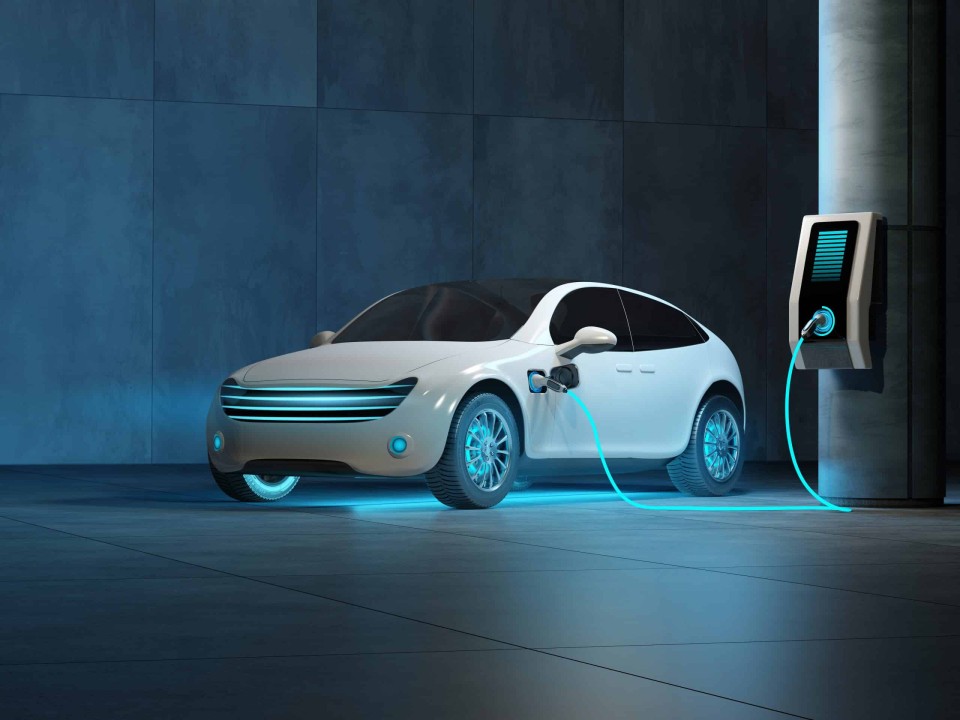
The global automotive industry is experiencing one of the most significant transformations in its history. Electric vehicles (EVs), once considered a niche technology with limited appeal, have become a major force shaping the future of transportation. Advances in battery technology, growing environmental awareness, supportive government policies, and continuous innovation by manufacturers have accelerated the transition toward cleaner and more efficient mobility. Today, electric vehicles are no longer viewed simply as an alternative to conventional automobiles—they are increasingly becoming a central part of the global transportation ecosystem.
The shift toward electric mobility reflects changing priorities among consumers, businesses, and governments. Concerns about climate change, urban air quality, and energy efficiency have encouraged investment in technologies that reduce emissions while maintaining high performance and reliability. As charging infrastructure expands and battery costs continue to decline, electric vehicles are becoming more accessible to drivers across a wide range of markets.
Unlike traditional vehicles powered by internal combustion engines, electric vehicles operate using electric motors fueled by rechargeable battery systems. These batteries store electrical energy that powers the vehicle without requiring gasoline or diesel fuel. The result is a transportation solution that produces no direct tailpipe emissions and offers a quieter, smoother driving experience.
Battery technology has become one of the most important factors behind the growth of electric vehicles. Modern lithium-ion batteries provide significantly greater driving range, faster charging capabilities, and improved durability compared to earlier generations. Researchers continue developing next-generation battery technologies designed to increase energy density, reduce charging times, improve safety, and extend battery lifespan. These innovations are expected to make future electric vehicles even more practical and affordable.
Charging infrastructure has expanded rapidly in many regions around the world. Public charging stations are increasingly available in shopping centers, workplaces, highways, residential neighborhoods, and parking facilities. Home charging systems also allow many drivers to recharge their vehicles overnight, providing convenience similar to charging smartphones or other electronic devices. Fast-charging technology continues to improve, enabling compatible vehicles to recover a substantial portion of their battery capacity within a relatively short period.
Governments have played an important role in encouraging electric vehicle adoption. Many countries have introduced financial incentives, tax benefits, research funding, and infrastructure investments aimed at accelerating the transition toward cleaner transportation. These initiatives support both consumers purchasing electric vehicles and manufacturers investing in advanced production technologies.
Automobile manufacturers are investing billions of dollars in electric mobility. Nearly every major automotive company now offers electric models or has announced ambitious plans to expand its electric vehicle portfolio over the coming years. Competition has intensified as manufacturers introduce new designs featuring longer driving ranges, improved performance, enhanced safety technologies, and sophisticated digital features.
One of the most attractive aspects of electric vehicles is their energy efficiency. Electric motors convert a higher percentage of stored energy into movement compared to traditional internal combustion engines. This improved efficiency helps reduce overall energy consumption while lowering operating costs for many vehicle owners. Electricity prices often remain more stable than fuel prices, providing additional financial predictability for drivers.
Maintenance requirements are generally different for electric vehicles. Since electric powertrains contain fewer moving mechanical components than conventional engines, routine maintenance may be simplified. Electric vehicles do not require oil changes, and several traditional engine components are absent altogether. However, owners still need regular inspections for tires, brakes, suspension systems, battery health, and other essential vehicle systems.
Environmental sustainability remains one of the primary motivations behind the expansion of electric mobility. Transportation accounts for a significant portion of global greenhouse gas emissions, making cleaner transportation technologies an important part of broader environmental strategies. Although the overall environmental impact depends on how electricity is generated, increasing use of renewable energy sources further strengthens the sustainability benefits of electric transportation.
Renewable energy and electric vehicles are becoming increasingly interconnected. Solar panels, wind farms, hydroelectric power, and other renewable energy sources provide cleaner electricity that can power electric vehicles with lower carbon emissions. Some homeowners even install residential solar systems that generate electricity used to charge their vehicles, reducing dependence on traditional energy sources.
Digital technology has become deeply integrated into modern electric vehicles. Large touchscreen displays, advanced navigation systems, over-the-air software updates, smartphone connectivity, voice controls, and intelligent energy management systems provide drivers with highly connected experiences. Manufacturers increasingly treat software development as an essential part of vehicle innovation alongside traditional mechanical engineering.
Artificial intelligence is also enhancing electric vehicle performance. AI-powered systems optimize battery usage, estimate remaining driving range, recommend charging locations, improve navigation efficiency, and support advanced driver assistance technologies. Machine learning algorithms continuously analyze vehicle data to improve performance, energy efficiency, and predictive maintenance capabilities.
Autonomous driving research often develops alongside electric vehicle technology. While fully autonomous transportation remains under continued development, many electric vehicles already include advanced driver assistance features such as adaptive cruise control, lane-keeping assistance, automatic emergency braking, traffic sign recognition, and intelligent parking systems. These technologies contribute to improved safety and greater driving convenience.
Commercial transportation is also embracing electrification. Electric buses, delivery vans, taxis, and freight vehicles are increasingly being deployed in cities worldwide. Businesses recognize that electric fleets can reduce fuel expenses, lower maintenance costs, and support corporate sustainability objectives. Urban delivery services, in particular, benefit from electric vehicles due to predictable daily routes and convenient charging opportunities.
Public transportation systems are gradually incorporating electric buses into their fleets. Electric buses reduce urban air pollution while producing less noise than traditional diesel-powered vehicles. Many municipalities view fleet electrification as an effective strategy for improving environmental quality and enhancing public transportation services.
The logistics sector is exploring electric transportation solutions for both local and regional deliveries. Advances in battery technology allow commercial vehicles to travel longer distances while maintaining operational efficiency. Warehousing companies, retailers, and delivery providers increasingly evaluate electric vehicles as part of broader sustainability initiatives.
The growth of electric vehicles has created new economic opportunities across multiple industries. Battery manufacturing, charging infrastructure development, software engineering, renewable energy integration, recycling technologies, and advanced materials research have all experienced increased investment. These expanding industries support job creation while contributing to technological innovation and industrial development.
Battery recycling has become an increasingly important component of the electric vehicle ecosystem. As battery production expands, manufacturers and recycling companies continue developing methods to recover valuable materials such as lithium, nickel, cobalt, and other critical minerals. Efficient recycling processes support resource conservation while reducing environmental impacts associated with raw material extraction.
Consumer perceptions of electric vehicles have evolved considerably. Early concerns regarding limited driving range, charging availability, and performance have gradually diminished as technology has improved. Many modern electric vehicles now offer ranges that satisfy everyday driving needs while delivering rapid acceleration, quiet operation, and advanced technological features that appeal to a broad range of customers.
Businesses are also adapting workplace infrastructure to support employees who drive electric vehicles. Office buildings increasingly install charging stations that allow workers to recharge vehicles during business hours. Hotels, shopping centers, restaurants, and entertainment venues similarly recognize charging facilities as valuable amenities that attract customers.
The future of electric mobility extends beyond passenger cars. Electric motorcycles, bicycles, scooters, marine vessels, construction equipment, agricultural machinery, and even certain aircraft prototypes demonstrate the expanding influence of electrification across transportation industries. Continued technological progress may further diversify electric mobility solutions over the coming decades.
Research institutions continue exploring innovative battery chemistries, wireless charging systems, vehicle-to-grid technologies, and ultra-fast charging capabilities. Vehicle-to-grid systems, for example, may eventually allow electric vehicles to temporarily return stored electricity to power grids during periods of high demand, supporting greater energy system flexibility.
Global cooperation among governments, manufacturers, technology companies, and energy providers remains essential for accelerating electric vehicle adoption. Investments in infrastructure, standardized charging systems, battery research, renewable energy, and supply chain resilience contribute to the long-term success of electric transportation.
The automotive industry is entering an era where sustainability, digital technology, and innovation increasingly define competitive success. Electric vehicles represent more than a new type of automobile—they symbolize a broader transformation in how societies approach mobility, energy consumption, and environmental responsibility.
As technology continues advancing and infrastructure expands, electric vehicles are expected to play an increasingly important role in reducing emissions, improving energy efficiency, and supporting sustainable economic development. While challenges remain, including battery production, charging accessibility in certain regions, and continued technological advancement, the overall trajectory points toward greater adoption and ongoing innovation.
The future of transportation is being shaped by collaboration between engineers, scientists, policymakers, businesses, and consumers. Electric vehicles stand at the center of this transformation, offering a glimpse into a cleaner, smarter, and more connected world where mobility becomes more efficient, environmentally responsible, and technologically advanced than ever before.