The modern financial system has changed dramatically over the past few decades. Cash is no longer the only way people pay for goods and services, and banking has evolved far beyond simply storing money in a savings account. Today, banks provide a wide range of financial services that help individuals manage their money, make secure payments, save for the future, and access credit when needed.
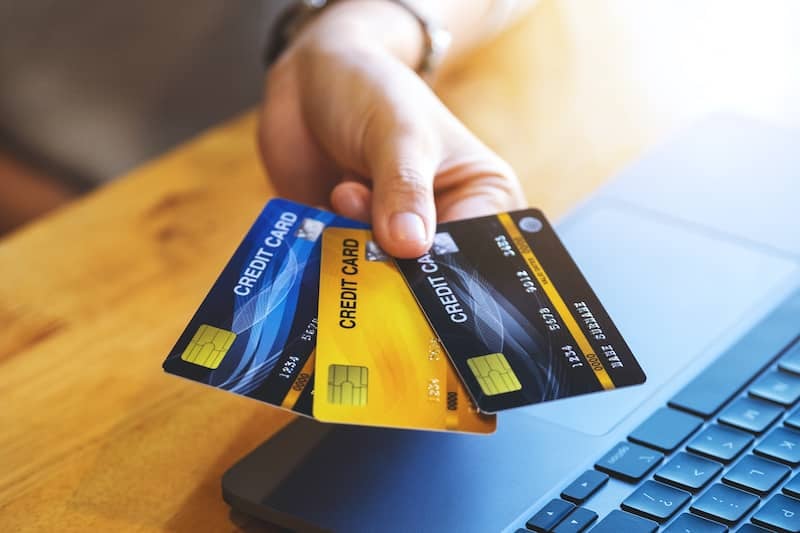
Among the most widely used financial tools are credit cards and debit cards. Millions of people around the world rely on them every day for shopping, paying bills, traveling, and managing personal finances. While both types of cards look similar and can often be used in the same places, they function differently and offer unique advantages depending on a person’s financial needs.
Understanding how banks, credit cards, and debit cards work can help consumers make informed financial decisions and use these services responsibly.
The Role of Banks in Everyday Life
Banks play a central role in the economy by providing financial services to individuals, businesses, and governments. Their primary function is to accept deposits, safeguard customers’ money, and make loans that support economic growth.
Most people use banks to receive salaries, store savings, pay bills, transfer money, and access financial products designed to meet different life goals. Whether someone is opening their first savings account or applying for a home loan, banks provide the infrastructure that makes modern financial transactions possible.
In addition to traditional banking services, many financial institutions now offer online banking platforms and mobile applications that allow customers to manage their accounts from virtually anywhere.
The Evolution of Digital Banking
Technology has transformed banking into a faster and more convenient experience. Customers no longer need to visit a branch for many everyday transactions.
Through mobile banking apps and online platforms, users can:
Check account balances in real time.
Transfer money between accounts.
Pay utility bills.
Receive transaction notifications.
Deposit checks in supported regions.
Monitor spending.
Freeze or unfreeze payment cards.
Download account statements.
Set savings goals.
These digital services save time while giving customers greater control over their finances.
Understanding Debit Cards
A debit card is directly connected to a customer’s bank account. Whenever a purchase is made, the payment is deducted from the available balance in that account.
This means users generally spend money they already own rather than borrowing funds.
Debit cards are commonly accepted at retail stores, restaurants, hotels, online shops, fuel stations, and ATMs.
They have become one of the most popular payment methods because they combine convenience with simplicity.
Advantages of Debit Cards
One of the biggest benefits of debit cards is budget control.
Since purchases are usually limited to the money available in the account, users are less likely to accumulate debt through everyday spending.
Other advantages include:
Instant access to personal funds.
Fast and secure payments.
Lower risk of carrying large amounts of cash.
Convenient ATM withdrawals.
Easy online shopping.
Contactless payment options.
Spending records that help track expenses.
Reduced need for paper receipts.
Many banks also allow customers to receive real-time notifications after every purchase, making it easier to monitor account activity.
Understanding Credit Cards
Unlike debit cards, credit cards allow customers to borrow money from the card issuer up to an approved credit limit.
Instead of immediately deducting money from a bank account, purchases are added to a monthly balance that must be repaid according to the card agreement.
If the balance is paid in full by the due date, many credit cards do not charge interest on purchases. However, carrying a balance beyond the payment deadline may result in interest charges.
Credit cards can provide financial flexibility, particularly for planned purchases or temporary cash flow needs.
Benefits of Credit Cards
When used responsibly, credit cards offer several practical advantages.
Many card issuers provide rewards programs that allow customers to earn points, travel miles, cashback, or discounts on purchases.
Other common benefits include:
Purchase protection.
Extended product warranties.
Fraud monitoring.
Emergency card replacement.
Travel insurance.
Rental car coverage in eligible cases.
Exclusive promotional offers.
Flexible repayment options.
Some premium cards also include airport lounge access, concierge services, and additional travel-related benefits.
Building Credit History
In many countries, responsible credit card use contributes to building a positive credit history.
A strong credit profile may improve a person’s ability to qualify for mortgages, vehicle loans, business financing, or other forms of credit in the future.
Making payments on time and maintaining reasonable credit utilization are often considered positive financial habits by lenders.
Safety and Security
Modern payment cards incorporate multiple layers of security designed to protect customers.
These features may include:
EMV chip technology.
Contactless payment encryption.
One-time verification codes.
Biometric authentication.
Mobile wallet compatibility.
Fraud detection systems.
Real-time transaction alerts.
Temporary card locking through banking apps.
If suspicious activity is detected, many banks can quickly block a card and investigate unauthorized transactions.
Convenience for Travelers
Payment cards have become especially valuable for international travel.
Instead of carrying large amounts of foreign currency, travelers can often use debit or credit cards at hotels, restaurants, airports, and shops worldwide.
Many cards also provide access to competitive currency conversion rates and emergency customer support when traveling abroad.
Travel-related protections offered by some credit cards may include trip cancellation coverage, baggage protection, and emergency assistance services.
Contactless Payments
One of the fastest-growing payment methods is contactless technology.
Customers simply tap their card or compatible smartphone near a payment terminal to complete eligible purchases.
Contactless transactions are generally quick, reducing checkout times while maintaining high security standards.
Mobile payment platforms have further expanded convenience by allowing users to store multiple payment cards digitally.
Online Shopping Made Easier
E-commerce continues to grow around the world, and payment cards play an important role in digital commerce.
Consumers can purchase products, subscribe to online services, book flights, reserve hotels, and pay for streaming platforms within minutes.
Secure payment technologies such as tokenization, two-factor authentication, and fraud monitoring help protect online transactions.
Financial Management Tools
Many banks now include personal finance tools within their digital banking platforms.
Customers may receive:
Monthly spending summaries.
Budget tracking.
Category-based expense analysis.
Savings recommendations.
Bill payment reminders.
Subscription monitoring.
Personalized financial insights.
These features can help users understand their spending habits and make more informed financial decisions.
Supporting Businesses
Businesses also benefit from modern banking and card payment systems.
Electronic payments can reduce cash handling, improve transaction speed, simplify accounting, and provide customers with flexible payment options.
Small businesses often use banking services for payroll, supplier payments, business loans, and digital invoicing.
Secure payment systems also help businesses expand into online markets and reach customers beyond their local communities.
Responsible Card Use
Although payment cards provide many advantages, responsible use remains essential.
Consumers should:
Keep PINs and passwords confidential.
Review account statements regularly.
Report lost or stolen cards immediately.
Avoid sharing card details with untrusted websites.
Pay credit card balances on time whenever possible.
Stay within personal spending limits.
Enable transaction notifications.
Use secure internet connections for online banking.
Good financial habits help maximize the benefits while minimizing potential risks.
Financial Inclusion
Banking services have expanded access to financial opportunities for millions of people worldwide.
Digital banking allows individuals in many regions to receive salaries electronically, transfer money quickly, pay bills remotely, and participate in the formal financial system.
Greater access to banking services can encourage saving, improve financial planning, and support long-term economic development.
Looking Ahead
The future of banking continues to evolve through technological innovation.
Artificial intelligence, biometric authentication, instant payments, open banking, digital wallets, and improved cybersecurity are expected to shape the next generation of financial services.
Many banks are investing in smarter digital platforms that aim to provide faster customer service, personalized financial insights, and stronger fraud protection.
As consumer expectations continue to change, financial institutions are likely to introduce new products designed to make banking even more convenient and secure.