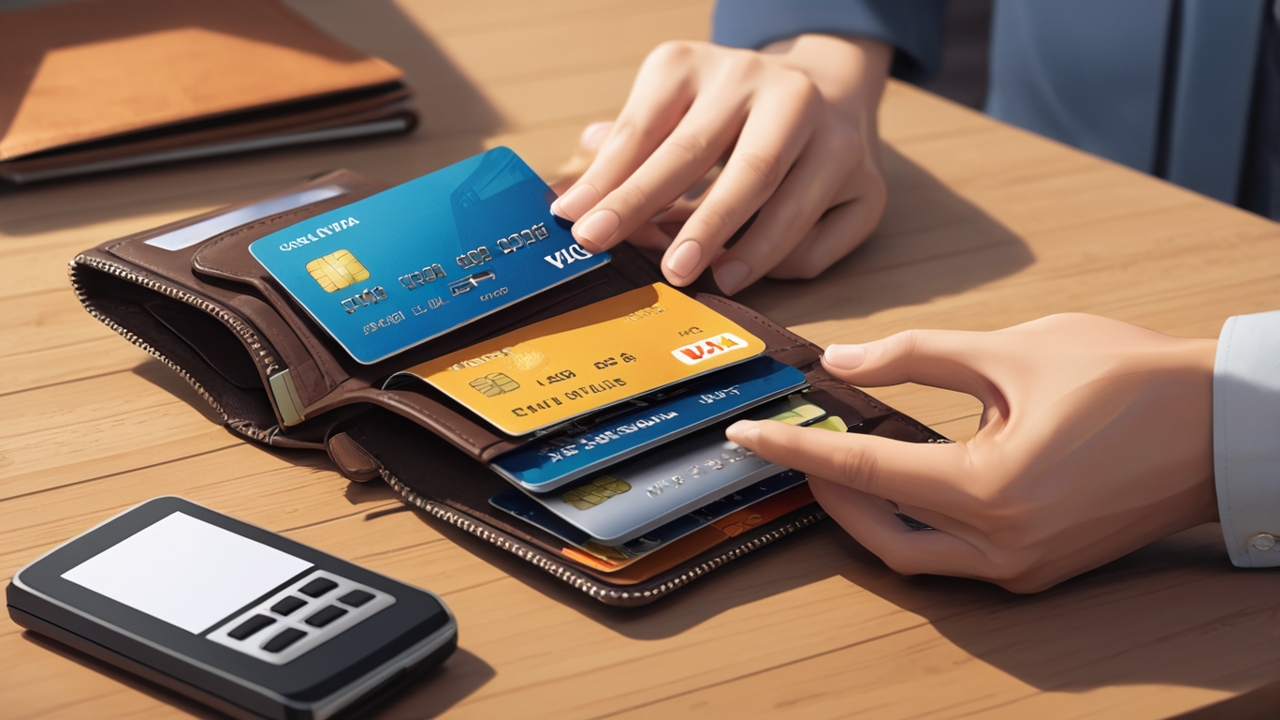
Bank cards have become one of the most important financial tools in modern society. Whether people are shopping online, paying for groceries, booking travel, or managing subscriptions, debit and credit cards have made transactions faster, safer, and more convenient than ever before. Over the past few decades, banking technology has evolved significantly, and the role of payment cards has expanded far beyond simple cash withdrawals from ATMs.
Today, millions of people around the world rely on bank cards for their daily financial activities. Financial institutions continue to introduce innovative features designed to improve security, convenience, and customer experience. Contactless payments, virtual cards, biometric authentication, and mobile wallet integration are just a few examples of how banking is adapting to changing consumer habits.
The Evolution of Bank Cards
The history of bank cards dates back to the mid-20th century when financial institutions first introduced cards as an alternative payment method. Initially, these cards were primarily used for credit purchases and were accepted by only a limited number of merchants. As banking networks expanded, payment systems became more sophisticated, allowing customers to use their cards almost anywhere.
The development of electronic payment processing revolutionized the financial industry. Transactions that once required manual verification could now be completed in seconds. As internet banking emerged, cardholders gained greater control over their finances through online account management, electronic statements, and instant transaction notifications.
Today, payment cards are accepted in millions of businesses worldwide and are essential for both in-person and online commerce.
Types of Bank Cards
Modern banks offer several types of payment cards, each designed to meet different financial needs.
Debit Cards
Debit cards are directly linked to a customer’s bank account. When a purchase is made, the funds are deducted immediately from the available balance. Because users spend only the money they already have, debit cards are often considered an effective tool for budgeting and managing personal finances.
Many employers also use debit cards for salary payments, allowing employees immediate access to their earnings without needing to visit a bank branch.
Credit Cards
Credit cards provide customers with access to a predetermined credit limit established by the issuing bank. Instead of paying immediately with their own funds, cardholders borrow money from the financial institution and repay it according to the terms of their agreement.
Many credit cards include additional benefits such as cashback rewards, travel insurance, loyalty programs, purchase protection, and extended warranties.
Responsible use of credit cards can help consumers build a positive credit history, while missed payments may negatively affect their credit profile.
Prepaid Cards
Unlike debit or credit cards, prepaid cards are loaded with funds before they are used. Customers can spend only the available balance that has been added to the card.
These cards are frequently used for travel, gifts, budgeting, and online purchases because they limit spending and reduce financial risk.
Contactless Payment Technology
One of the most significant innovations in recent years has been contactless payment technology. Equipped with Near Field Communication (NFC), contactless cards allow customers to make purchases by simply tapping their card on a payment terminal.
This technology has dramatically reduced checkout times and has become especially popular in supermarkets, restaurants, public transportation systems, and retail stores.
Most financial institutions also establish transaction limits for contactless payments before additional verification, such as entering a PIN, becomes necessary.
Mobile Wallet Integration
Bank cards are increasingly connected to smartphones and wearable devices through digital wallet applications. Instead of carrying physical cards, consumers can securely store payment information on their mobile devices.
When making purchases, users simply unlock their phones or smartwatches and hold them near compatible payment terminals. The transaction is completed using encrypted payment credentials rather than exposing actual card numbers.
This approach improves both convenience and security.
Online Banking and Digital Management
Modern online banking platforms provide customers with complete control over their payment cards.
Typical features include:
Viewing transaction history
Freezing or unfreezing cards instantly
Changing PIN codes
Adjusting spending limits
Receiving real-time payment notifications
Blocking suspicious transactions
Creating temporary virtual cards
These digital services reduce the need for branch visits while allowing customers to respond quickly if any unusual activity occurs.
Security Features
Financial institutions invest heavily in protecting customers from fraud and cybercrime. Bank cards now include multiple layers of security designed to reduce unauthorized access.
Some of the most common security features include:
EMV chip technology
Dynamic security codes
Tokenization
Two-factor authentication
Biometric verification
Fraud detection powered by artificial intelligence
Instant transaction alerts
These systems continuously monitor payment activity and can automatically flag transactions that appear unusual or inconsistent with previous spending patterns.
Protecting Personal Information
Although payment technology has become increasingly secure, customers still play an important role in protecting their financial information.
Experts recommend several basic safety practices:
Never share PIN numbers.
Avoid writing passwords on the card.
Use strong passwords for online banking.
Enable account notifications.
Regularly monitor account activity.
Avoid using unsecured public Wi-Fi when accessing banking services.
Report lost or stolen cards immediately.
Following these recommendations significantly reduces the likelihood of becoming a victim of financial fraud.
Virtual Cards
Virtual bank cards have become increasingly popular, particularly for online shopping.
Instead of using the physical card number, banks generate temporary digital card details that can only be used for specific purchases or limited periods.
This approach minimizes the risk of payment information being stolen during online transactions.
Many customers choose virtual cards for subscription services, international purchases, and online marketplaces.
International Payments
Bank cards have simplified international travel and global commerce.
Rather than exchanging large amounts of cash, travelers can pay directly in local currencies using their debit or credit cards.
Many banks also offer multicurrency accounts, allowing customers to hold several currencies under one account while reducing conversion fees.
International payment networks have expanded dramatically, enabling transactions across thousands of financial institutions worldwide.
Rewards and Customer Benefits
Banks compete by offering attractive rewards programs to encourage card usage.
Popular benefits include:
Cashback on purchases
Airline miles
Hotel discounts
Shopping rewards
Fuel discounts
Airport lounge access
Travel insurance
Purchase protection
Consumers often select payment cards based on the rewards that best match their spending habits.
Fraud Prevention
Financial fraud remains one of the banking industry’s biggest challenges.
Criminals use techniques such as phishing emails, fake websites, malware, and social engineering to obtain sensitive banking information.
To combat these threats, banks employ sophisticated monitoring systems capable of detecting suspicious transactions within seconds.
If unusual activity is identified, customers may receive verification requests or temporary card blocks until the transactions can be confirmed.
Artificial Intelligence in Banking
Artificial intelligence is becoming an essential part of modern banking operations.
AI systems analyze enormous volumes of transaction data to identify unusual behavior, predict fraud attempts, and improve customer service.
Some banks also use AI-powered virtual assistants that help customers manage accounts, answer questions, and guide users through common banking tasks.
Machine learning continues to improve these systems by recognizing new fraud patterns as they emerge.
Sustainable Bank Cards
Environmental concerns have encouraged financial institutions to develop more sustainable payment cards.
Instead of traditional plastic, some banks now manufacture cards using recycled materials or biodegradable alternatives.
Several institutions have also reduced paper usage by encouraging customers to receive digital statements and electronic receipts.
These initiatives contribute to broader environmental sustainability goals while maintaining full payment functionality.
Challenges Facing the Banking Industry
Despite ongoing technological improvements, banks continue to face several important challenges.
Cybersecurity remains a major priority as criminals constantly develop new attack methods.
Financial institutions must also comply with evolving regulations regarding consumer protection, privacy, anti-money laundering, and digital security.
At the same time, customer expectations continue to rise. Consumers increasingly demand faster payments, improved mobile applications, enhanced personalization, and around-the-clock customer support.
Meeting these expectations requires continuous investment in technology and infrastructure.
The Future of Payment Cards
The future of banking is expected to become even more digital.
Industry experts anticipate wider adoption of biometric authentication, including fingerprint, facial recognition, and even palm or voice identification for payment authorization.
Digital identity verification may eventually reduce reliance on traditional passwords and PIN codes.
Blockchain technology, real-time payment systems, and open banking initiatives are also expected to reshape financial services over the coming years.
Physical cards will likely continue to exist, but digital versions stored on smartphones and wearable devices are expected to play an increasingly important role in everyday transactions.
Conclusion
Bank cards have transformed the way individuals and businesses manage money. From simple cash withdrawals to instant international payments and secure online shopping, these financial tools have become an essential part of modern life.
As technology continues to advance, payment cards are becoming more secure, faster, and easier to use. Financial institutions remain focused on improving customer protection while introducing innovative features that simplify everyday banking.
Whether using a debit card for daily purchases, a credit card for additional financial flexibility, or a virtual card for secure online shopping, consumers now have more payment options than ever before. With continued innovation in digital banking, artificial intelligence, and payment security, bank cards will remain at the center of global financial activity for many years to come.