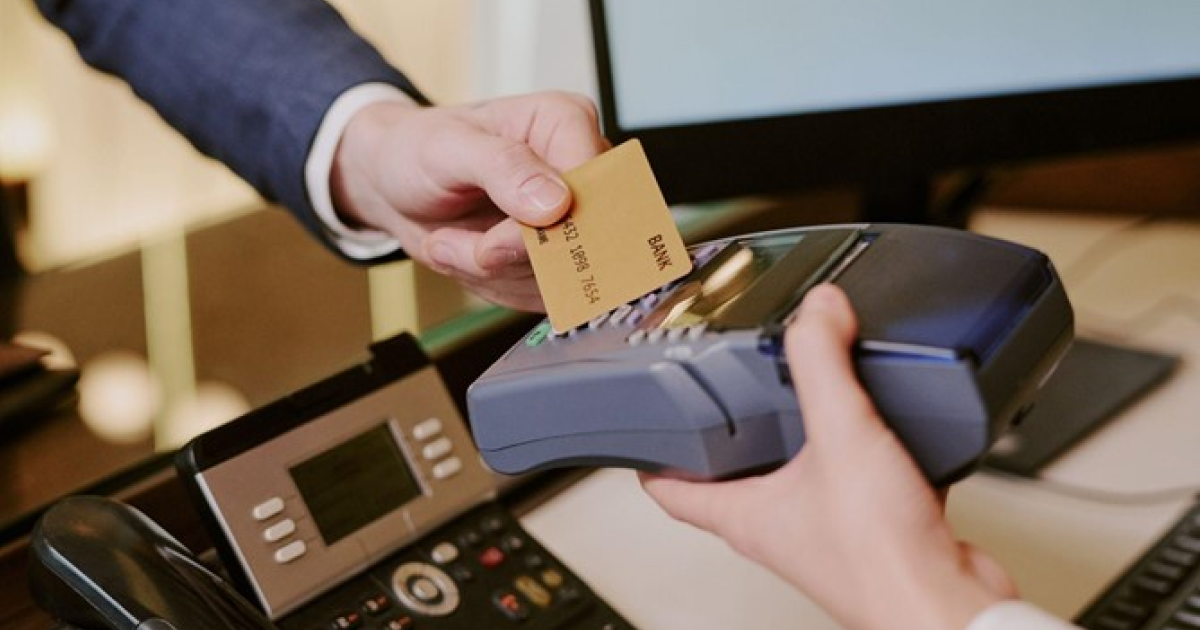
The way people manage money has changed dramatically over the past few decades. Cash, once considered the primary method of payment around the world, is increasingly being replaced by digital transactions powered by credit cards, debit cards, mobile wallets, and online banking platforms. Today, billions of consumers use payment cards every day to purchase goods, pay bills, transfer money, and conduct business both locally and internationally.
Banks, financial technology companies, and payment networks continue investing in new technologies that make electronic payments faster, safer, and more convenient. Contactless payments, biometric authentication, virtual cards, artificial intelligence, and fraud detection systems have transformed the banking experience, allowing consumers to complete transactions within seconds from almost anywhere in the world.
As financial technology continues evolving, payment cards remain one of the most important tools in the global financial system, supporting economic growth, digital commerce, and financial inclusion.
The History of Payment Cards
Payment cards have evolved significantly since their introduction during the twentieth century.
Early credit cards were accepted by only a limited number of merchants and required manual verification before purchases could be completed. Over time, improvements in banking infrastructure and payment processing networks allowed electronic authorization, making transactions faster and more reliable.
The introduction of magnetic stripes, EMV chip technology, and contactless payment systems further improved security and convenience. Today, consumers can use payment cards in millions of stores, restaurants, hotels, transportation systems, and online marketplaces across the globe.
The rapid expansion of e-commerce has made payment cards an essential part of modern daily life.
Understanding Debit Cards
Debit cards are directly connected to a customer’s bank account. Whenever a purchase is made, the payment amount is automatically deducted from the available account balance.
Because debit cards allow customers to spend only the money they already possess, they are often considered useful tools for budgeting and responsible financial management.
Many employers deposit salaries directly into employees’ bank accounts, making debit cards the primary method for accessing earned income.
Consumers use debit cards for everyday purchases, ATM withdrawals, online shopping, subscription services, and bill payments.
The simplicity and convenience of debit cards have made them one of the most widely used financial products worldwide.
Understanding Credit Cards
Credit cards function differently from debit cards.
Instead of immediately using personal funds, cardholders borrow money from the issuing financial institution within an approved credit limit.
Customers repay borrowed amounts according to the terms established in their credit agreement. When balances are paid on time, many users benefit from interest-free grace periods depending on their card conditions.
Credit cards often include additional services such as travel insurance, extended warranties, fraud protection, purchase insurance, airport lounge access, and customer reward programs.
Responsible credit card usage can also contribute to building a positive credit history, which may assist consumers when applying for mortgages, automobile loans, or other financial products.
However, excessive borrowing or missed payments may result in additional costs and negatively affect financial stability.
Contactless Payments
One of the most significant innovations in recent years has been contactless payment technology.
Using Near Field Communication (NFC), customers simply tap their payment card near a compatible payment terminal instead of inserting the card or swiping it.
The entire transaction is typically completed within seconds.
Contactless payments have become increasingly popular in supermarkets, restaurants, pharmacies, convenience stores, public transportation systems, and entertainment venues.
Many countries have expanded contactless payment limits while maintaining additional security measures for larger purchases.
Consumers appreciate the speed, convenience, and reduced physical contact provided by this technology.
Mobile Wallets
Digital wallets have become an increasingly important part of modern banking.
Rather than carrying multiple physical cards, consumers can securely store payment credentials on smartphones, tablets, and smartwatches.
Mobile wallets use tokenization technology that replaces actual card numbers with encrypted digital tokens during payment transactions.
This reduces the risk of sensitive financial information being exposed during purchases.
Consumers can also use mobile wallets for online shopping, transportation tickets, loyalty programs, event admission, and digital identification services.
The integration of payment cards with wearable technology continues expanding worldwide.
Online Banking Integration
Modern payment cards are closely connected with online banking services.
Customers can access detailed transaction histories, monitor account balances, transfer funds, freeze misplaced cards instantly, adjust spending limits, and receive immediate payment notifications.
Many banking applications also categorize expenses automatically, helping customers understand spending habits and improve budgeting.
Real-time alerts provide immediate notification whenever purchases occur, allowing consumers to identify suspicious activity quickly.
These digital services have significantly reduced the need for routine visits to physical bank branches.
Artificial Intelligence in Payment Systems
Artificial intelligence has become one of the most valuable technologies supporting modern payment systems.
Banks analyze millions of daily transactions using AI algorithms capable of identifying unusual financial behavior.
Machine learning continuously studies customer spending patterns to distinguish legitimate purchases from potentially fraudulent activity.
If suspicious transactions are detected, banks may request additional verification or temporarily block transactions until customer confirmation is received.
Artificial intelligence also assists customer support through intelligent virtual assistants capable of answering frequently asked questions and helping customers navigate banking services more efficiently.
Fraud Prevention
Financial fraud remains a significant challenge for banks, businesses, and consumers.
Cybercriminals constantly develop new techniques to steal payment information through phishing emails, fake websites, malicious software, and identity theft schemes.
Banks invest heavily in advanced fraud prevention systems including:
EMV chip technology
Dynamic security codes
Tokenization
Multi-factor authentication
Biometric verification
Behavioral analytics
AI-powered fraud monitoring
Real-time transaction alerts
Consumers also play an important role by protecting PIN numbers, avoiding suspicious websites, monitoring account activity, and reporting lost cards immediately.
Public awareness remains one of the most effective defenses against financial crime.
Cross-Border Payments
Payment cards have simplified international travel and global commerce.
Travelers no longer need to carry large amounts of foreign currency because debit and credit cards are accepted in millions of businesses worldwide.
International payment networks allow purchases in different currencies while automatically handling currency conversion according to banking procedures.
Businesses engaged in international trade also benefit from secure electronic payment infrastructure that supports commercial transactions across multiple countries.
Improvements in payment processing continue reducing transaction times while enhancing transparency and reliability.
Rewards and Loyalty Programs
Banks compete by offering increasingly attractive benefits to cardholders.
Many payment cards include reward systems that provide cashback, travel points, airline miles, hotel discounts, shopping rewards, fuel savings, and entertainment offers.
Premium cards often provide additional services including travel insurance, concierge assistance, purchase protection, and airport lounge access.
Consumers frequently choose payment cards based on the rewards that best match their personal spending habits and financial goals.
Loyalty programs encourage continued card usage while strengthening customer relationships.
Financial Inclusion
Payment cards contribute significantly to financial inclusion by providing secure access to banking services.
Individuals with bank accounts can receive salaries electronically, make online purchases, pay utility bills, and participate more fully in the digital economy.
In developing regions, expanding access to banking infrastructure helps reduce dependence on cash while supporting economic growth.
Digital payment technologies also improve financial transparency and simplify government benefit distribution.
Financial inclusion remains an important objective for many governments and international financial organizations.
The Future of Payment Cards
The future of payment systems is expected to become even more digital.
Biometric authentication using fingerprints, facial recognition, and voice identification may gradually reduce reliance on traditional PIN numbers and passwords.
Artificial intelligence will continue improving fraud prevention while delivering increasingly personalized financial services.
Blockchain technology, instant payment networks, open banking, and digital identity solutions are expected to influence future payment infrastructure.
Virtual payment cards will likely become more common for online shopping, reducing fraud risks through temporary card numbers and enhanced encryption.
Physical payment cards are expected to remain important, but digital versions stored securely on mobile devices will continue growing in popularity.
Conclusion
Credit cards and debit cards have transformed the way consumers interact with the global financial system. From everyday shopping and online purchases to international travel and digital banking, payment cards provide convenience, security, and financial flexibility for billions of people around the world.
Advances in artificial intelligence, cybersecurity, mobile banking, contactless payments, and digital wallets continue improving both customer experience and transaction security. At the same time, banks remain committed to protecting consumers against increasingly sophisticated financial threats.
As technology continues evolving, payment cards will remain a cornerstone of modern banking, supporting global commerce, financial inclusion, and the transition toward an increasingly cashless economy. The combination of innovation, security, and convenience ensures that credit and debit cards will continue playing a vital role in the future of global finance.